How Montessori Education Encourages Emotional Resilience In Children
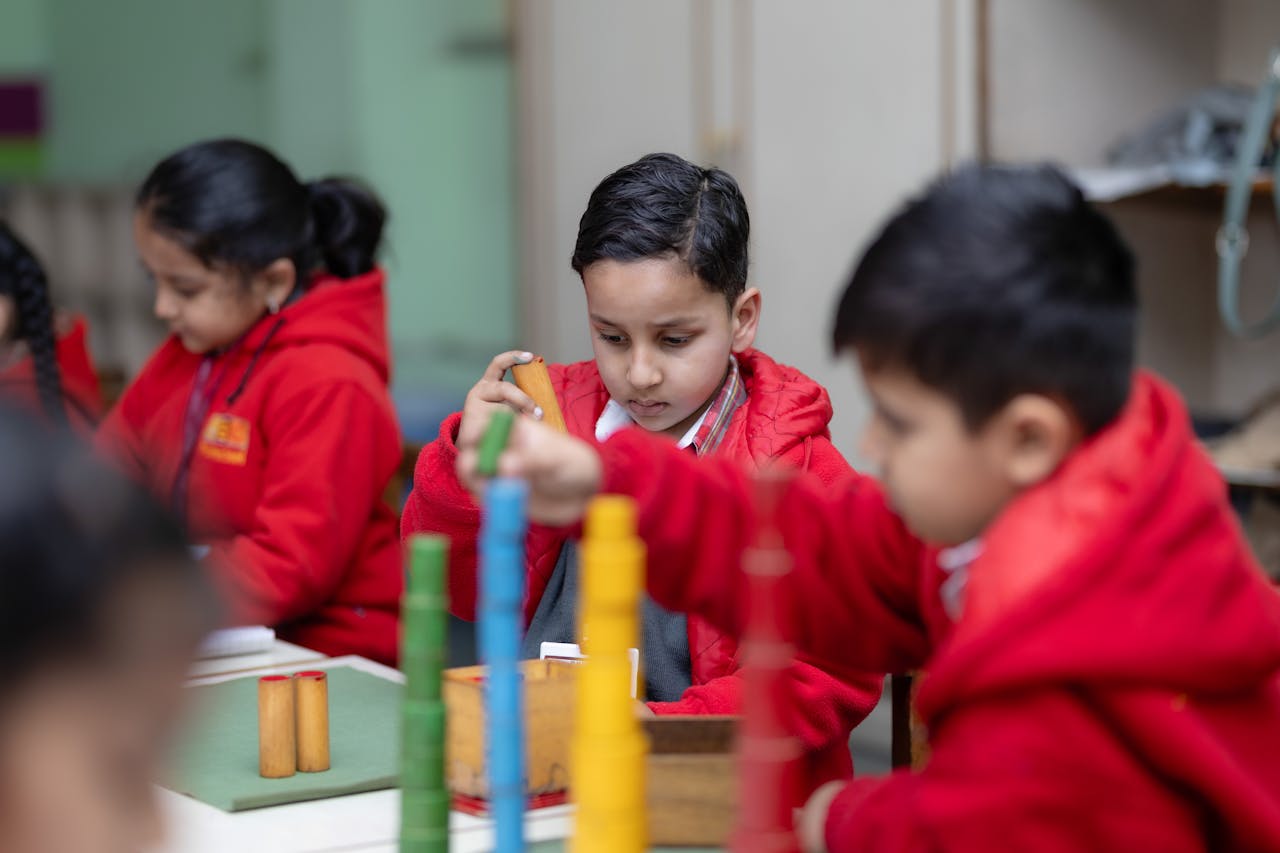
Many parents today seek methods to foster confident, balanced children. Montessori education often stands out as an approach that nurtures not just academic strengths but also emotional skills. This method emphasizes independence, self-regulation, and the cultivation of traits such as empathy and self-confidence. For those interested in how this system supports emotional resilience, the answers are found in its thoughtfully designed environment and everyday practices.
The foundation of emotional resilience in Montessori settings
Montessori classrooms differ significantly from traditional schools. These environments revolve around respecting each child's pace, creating a climate that naturally supports emotional regulation. When frustration or setbacks occur, educators gently guide students to pause, reflect, and try again—building emotional resilience through repeated experience.
Choice is central in developing independence and a sense of control over one's actions. Allowing children to select their own activities and care for their workspace teaches the value of free will and personal responsibility, both crucial for social-emotional development. For families living near Paris and seeking such an educational approach, a bilingual Montessori preschool in Bois-Colombes near Paris offers authentic opportunities for children to flourish under these principles.
Daily routines that foster self-regulation and emotional intelligence
Each day in a Montessori classroom presents numerous moments to practice patience, manage impulses, and read peers' emotional cues. These experiences lay the groundwork for strong self-regulation. With clear rules and predictable routines, children know what to expect, which helps them trust the process and gain confidence in their decisions.
Social interactions hold equal importance. Activities such as group projects, collaborative snack times, and shared lessons provide genuine opportunities to deepen emotional intelligence and empathy. Conversations about feelings and respectful communication reinforce these soft skills, contributing to increased emotional resilience.
Guided emotional expression through communication
Educators model effective communication strategies, encouraging students to express feelings constructively instead of suppressing them. By identifying emotions together, children acquire the vocabulary necessary for healthy emotional expression. Over time, this reduces misunderstandings and emotional outbursts, paving the way for stronger relationships.
Rather than disregarding intense emotions, adults in Montessori settings create safe spaces for discussing happiness, sadness, anger, or frustration. This validation normalizes emotional ups and downs, transforming them into valuable learning experiences rather than sources of shame.
Encouraging independence and self-confidence
Simple tasks like pouring water or tying shoelaces may appear basic, yet they play a vital role in fostering self-confidence. In Montessori environments, small achievements accumulate, reinforcing the belief that each child is capable. The satisfaction derived from accomplishment comes from within, rather than constant adult praise.
This autonomy not only boosts confidence but also motivates perseverance in the face of challenges. As children take ownership of both mistakes and successes, a growth mindset develops naturally. They discover that effort leads to improvement, which is essential for building emotional resilience.
The role of the prepared environment in social-emotional development
Montessori classrooms are intentionally calm and inviting, minimizing distractions while encouraging focus. Organized shelves, child-sized furniture, and accessible materials enable even young learners to navigate their space independently. An uncluttered environment means fewer stressors, supporting emotional regulation throughout the day.
This purposeful setup also promotes peaceful peer interactions. With ample space to work alone or collaboratively, children learn to respect boundaries—both physical and emotional. Frequent practice with conflict resolution provides real-life tools for handling disagreements effectively and with empathy.
Opportunities for collaboration and empathy
Multi-age groups offer natural occasions for students to teach and learn from one another. Older children model patience and guidance, while younger peers feel empowered by participating. These exchanges nurture empathy and strengthen community bonds, reinforcing emotional resilience when facing challenges together.
Shared discovery fosters cooperation, reducing competitiveness and comparison. Instead, everyone's progress matters. Children celebrate each other's milestones, appreciating diversity in skills, personalities, and perspectives.
Growth mindset supported through purposeful activity
Challenging tasks are viewed as invitations to grow, not obstacles to avoid. When difficulties arise, teachers encourage students to see setbacks as temporary and share strategies such as taking deep breaths or breaking goals into manageable steps. Mistakes become opportunities for learning, thus reinforcing a growth mindset.
The hands-on nature of Montessori activities offers immediate feedback. Achieving success after several attempts feels rewarding, helping students internalize persistence and develop resilience while mastering new challenges.
Long-term outcomes: How does Montessori education shape emotionally resilient adults?
Experiences in early childhood often shape attitudes later in life. Graduates of Montessori programs typically respond calmly to stress, employ healthy emotional regulation techniques, and demonstrate high levels of empathy in various social situations. Habits formed during these formative years have a lasting influence beyond the classroom.
Over time, students exposed to Montessori principles exhibit adaptive coping mechanisms and independence when confronted with adversity. Their heightened self-awareness and advanced emotional intelligence support thriving relationships and thoughtful decision-making through different stages of life.
Building a framework where emotional growth thrives
Montessori education seamlessly integrates the nurturing of emotional resilience into daily routines and classroom management, treating it as fundamental as reading or mathematics. Every interaction between student and teacher is defined by authenticity, consistency, and sensitivity.
As children mature within this framework, they draw on their acquired social-emotional skills, demonstrating patience, leadership, and grace. Emotional literacy becomes second nature, laying the foundation for lifelong well-being and achievement—both in school and beyond.