Why Care Homes Try To Look As Homey As Possible
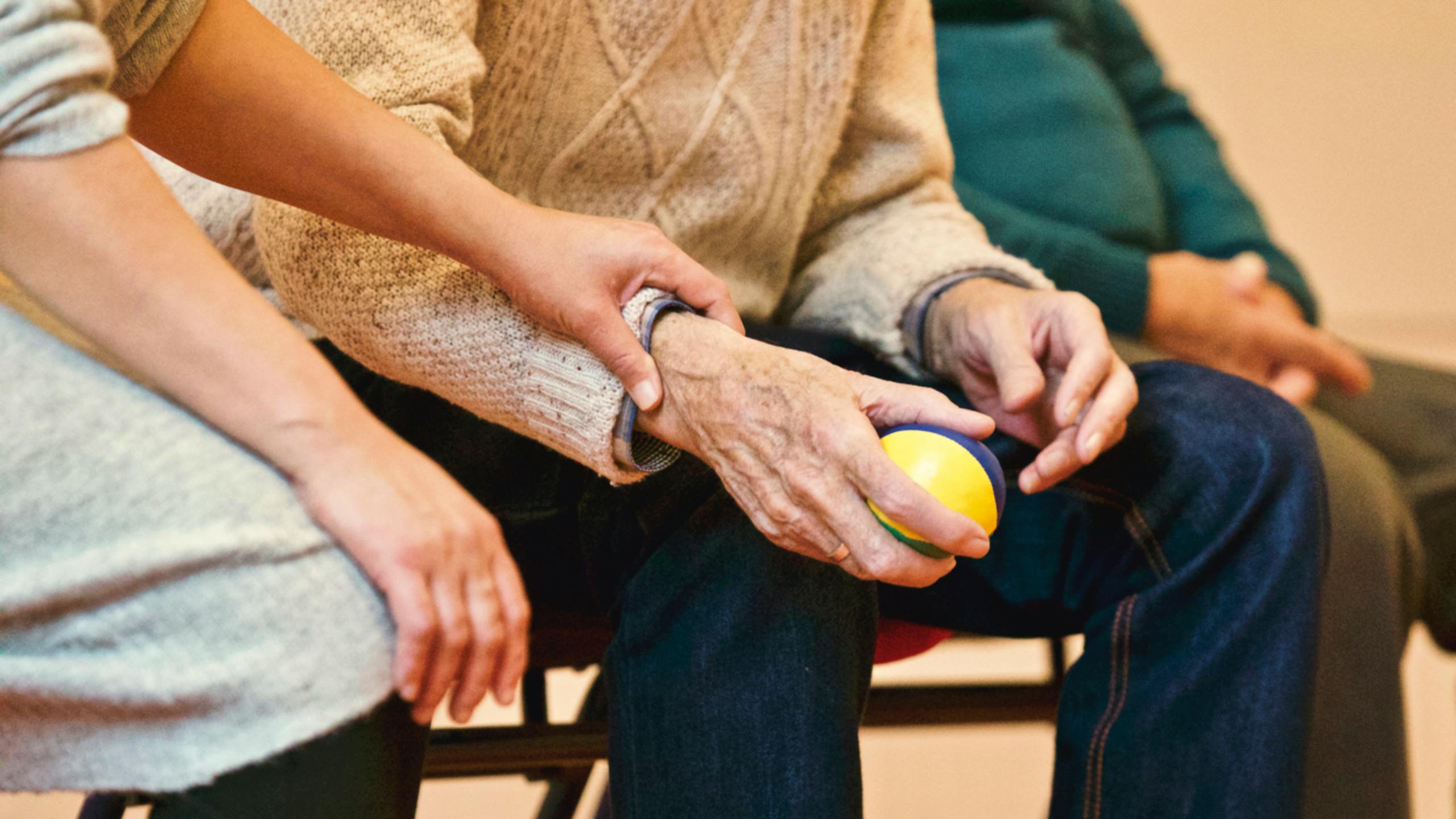
Care homes strive to create a "homey" atmosphere for several important reasons, revolving around the psychological, emotional, and social well-being of their residents. Here are the key factors behind this effort:
1. Emotional Comfort
Moving into a care home can be a significant emotional upheaval for many elderly residents. Transitioning from a familiar environment to an institutional setting can trigger feelings of loss, confusion, and anxiety. A homey atmosphere can help to mitigate these feelings by providing a setting that feels less like a hospital and more like a home. This includes comfortable furniture, personal décor, and a warm, welcoming ambiance that helps residents settle in and feel more at ease. Eastleigh Care Homes in Devon are a good example of what can be expected.
2. Promoting Independence
A home-like environment in care homes often features layouts and furnishings that encourage residents to maintain their independence for as long as possible. This can include accessible design features that enable residents to perform daily activities on their own or with minimal assistance. For instance, kitchens might be adapted so residents can engage in cooking activities if they choose, and bathrooms are designed to be safe and easy to navigate.
3. Enhancing Quality of Life
Quality of life is paramount in care settings, and a homey environment contributes significantly to this. Such environments often feature communal spaces that are inviting and comfortable, encouraging social interaction among residents. This can include shared living rooms with books, TVs, and games, or outdoor gardens where residents can relax or engage in gardening. These spaces help residents to feel more connected to a normal living environment, rather than feeling confined to a clinical or sterile setting.
4. Memory Support
For residents with dementia or other forms of cognitive decline, familiar settings can be incredibly beneficial. A home-like environment can include elements that are reminiscent of their past home settings, such as vintage furniture or decorations from specific eras that residents recognize and find comforting. These familiar cues can help in reducing confusion and anxiety, and they play a role in memory care by evoking positive recollections and emotions.
5. Family Engagement
When family members visit their loved ones in care homes, a homey environment can make these visits more pleasant and less stressful. This encourages more frequent and longer visits, enhancing the resident’s social interactions and emotional health. It also helps family members to feel more at ease, seeing their loved ones in a comfortable, pleasant setting that feels like a real home.
6. Therapeutic Benefits
Research suggests that environments that are aesthetically pleasing and comfortable can have therapeutic benefits, particularly in reducing stress and promoting mental health. Soft lighting, comfortable seating, and appealing décor can help to create a calming environment that mitigates stress and enhances overall well-being.
7. Identity and Personalization
Finally, care homes that allow residents to personalize their living spaces, such as decorating their rooms with personal items, photos, or furniture from home, help to maintain a sense of identity and continuity. This personalization is crucial in helping residents feel more secure and less like they’re just another person in a facility.
In conclusion, care homes prioritize creating a homey atmosphere to address the multifaceted needs of their residents. This approach isn’t just about aesthetics; it's a comprehensive care strategy aimed at enhancing emotional comfort, promoting independence, supporting memory, encouraging family involvement, and overall, enriching the quality of life for the elderly in their care.